🌄 The Mount Maunganui Landslide: What Happened and Why It Matters
The Mount Maunganui Landslide, Jan 2026
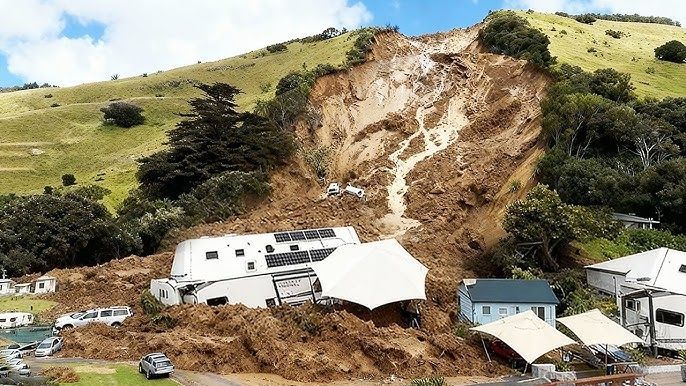
In the early morning of 22 January 2026, a sudden and devastating landslide struck the beloved coastal town of Mount Maunganui (Mauao) in the Bay of Plenty region on New Zealand’s North Island. What began as a day like any other during the peak of summer quickly turned into a scene of chaos, fear, and an intense rescue effort as nature unleashed its raw power.
📍 Where It Happened
Mount Maunganui — locally known as Mauao, a 232 m extinct volcanic dome that sits at the entrance to Tauranga Harbour — is more than just a scenic landmark. It’s a cultural icon, cherished for its panoramic coastal views, popular hiking trails, and pristine beaches. In normal times, Mauao draws thousands of locals and visitors every summer.
At around 9:30 am NZDT on 22 January, part of the hillside above the Beachside Holiday Park — a busy campsite nestled at the base of Mauao — collapsed. The slide tore through vans, tents, ablution blocks, and cabins, burying structures and leaving devastation in its path.
🌧️ The Weather That Triggered It
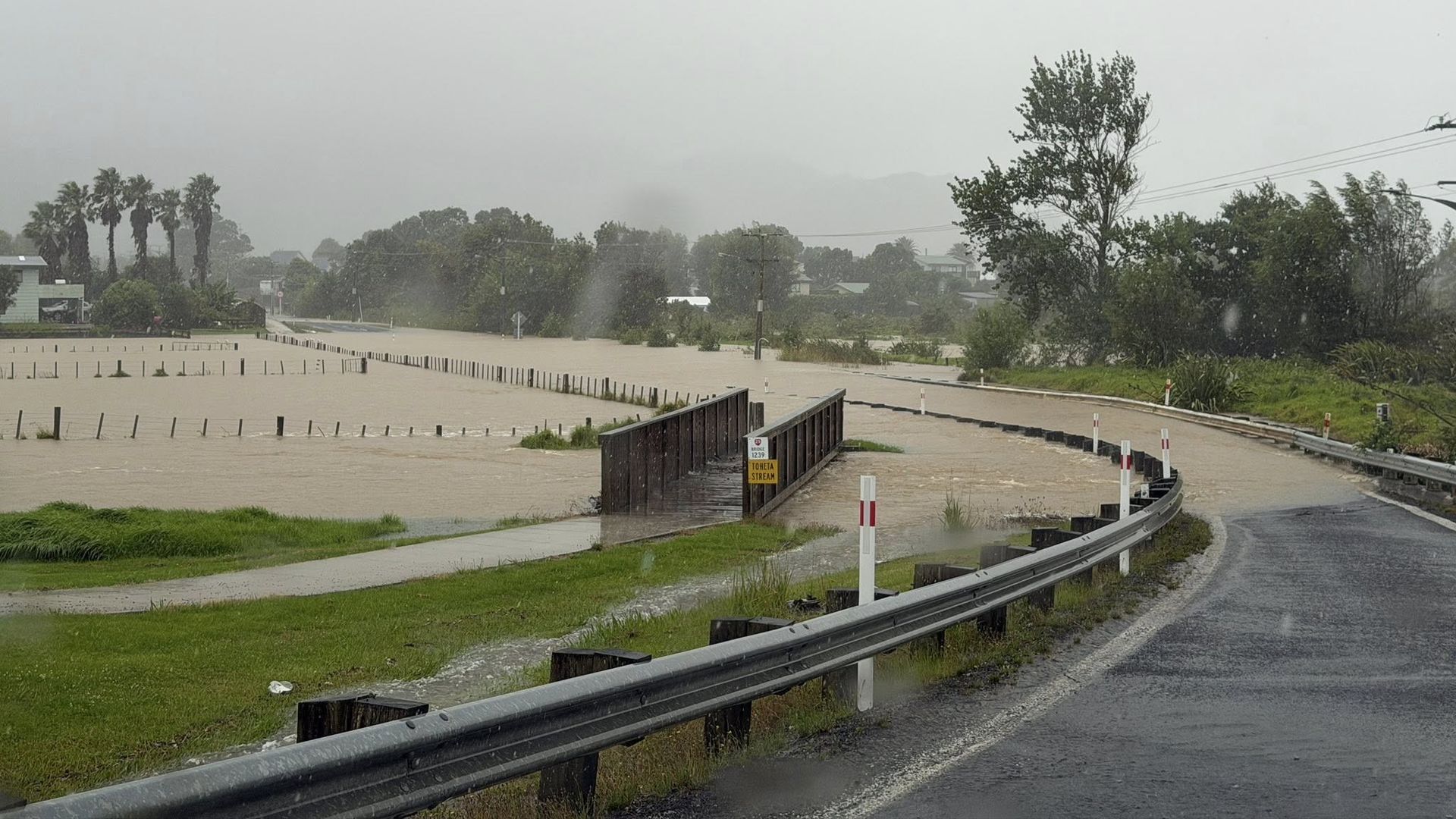
This landslide wasn’t an isolated accident — it was part of a widespread weather disaster affecting much of the North Island from 15–22 January 2026. A series of intense rains, driven by remnant tropical weather systems, brought record-breaking rainfall, saturated soils, flooding, and heightened landslide risk across the region.
The Bay of Plenty recorded extraordinary rainfall — in some places exceeding normal monthly totals in just a day — weakening the volcanic ash-rich soils and steep slopes that characterise Mauao’s terrain. Long known for shallow slips in heavy rain, the mountain’s geology had already been studied for its susceptibility to mass movements.
😨 What Unfolded That Morning
Eyewitnesses described the moment as terrifying:
- A loud cracking and rumbling sound came first — then tonnes of earth and mud began cascading down the hillside.
- Campers and holiday-makers were thrown into panic as tents, campervans, and even parts of the campground’s toilet/shower blocks were swept away or destroyed.
- Those at nearby Mount Hot Pools reported a sudden shake and watched debris — including a caravan — bounce dangerously close to the facility.
One witness said it was “like the mountain was collapsing,” a moment of sheer disbelief and terror that transformed a holiday morning into a disaster zone.
🚑 The Rescue Effort
Emergency response teams including firefighters, police, Urban Search and Rescue (USAR) squads, sniffer dogs, and helicopters were deployed immediately. But the terrain posed significant danger — unstable ground forced some responders to pull back for safety.
Local authorities set up a command base at the nearby Mount Maunganui Surf Lifesaving Club to coordinate the operation, and nearby areas were evacuated as search and rescue continued.
💔 Human Impact
The human cost has been heartbreaking:
- At least two fatalities were confirmed in nearby Welcome Bay due to separate slips earlier the same morning.
- In the main Mount Maunganui landslide, six people — including teenagers — remain missing, with fears that some could be children.
- Emotional scenes unfolded as families gathered anxiously nearby, waiting for news of loved ones still unaccounted for.
Officials stressed that unstable ground and ongoing risk from weather conditions make rescue operations slow and challenging. No signs of life have been detected beneath the debris since initial reports shortly after the slide.
🧠 Understanding Landslides in New Zealand
Landslides — known locally as slips — are not uncommon in New Zealand, especially in steep, rain-soaked landscapes. The soils around Mauao are particularly prone to instability because of volcanic ash deposits and weathered rock. In fact, past slips have occurred in the same area, and authorities had observed warning signs earlier that day, including small slides and water seeping down slopes.
But predicting exactly when a slope will fail remains difficult, even with advanced monitoring and weather forecasts.
🌏 What Comes Next
This tragedy has left a community in mourning and raised questions about how to improve early warning systems and risk management for areas where people live, work, and play near steep slopes.
Investigations and reviews are expected, and geotechnical assessments will be essential to understanding what could have been done differently and how to better protect communities in future storms.