Best Ski Field at North Island, New Zealand
Whakapapa and Tūroa Ski Resorts: Skiing on New Zealand’s Largest Active Volcano
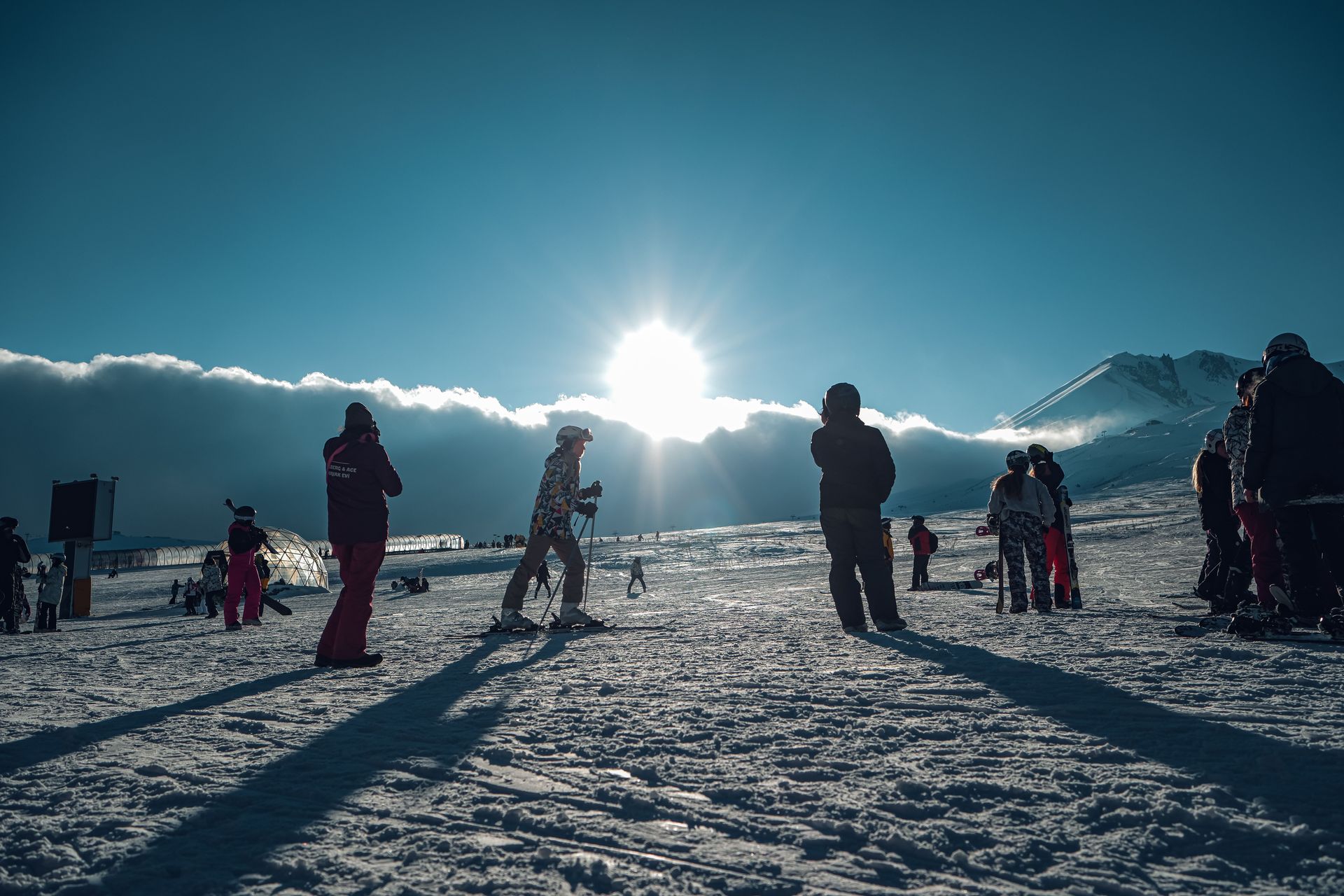
New Zealand is famous for its dramatic mountains, beautiful lakes, and spectacular outdoor adventures. During winter, however, the country reveals another side of its natural beauty: snow-covered volcanic slopes and exciting alpine experiences.
Located on Mount Ruapehu in the central North Island, Whakapapa Ski Area and Tūroa Ski Area offer two very different ways to experience skiing and snowboarding in New Zealand.
Both ski areas sit within Tongariro National Park, a UNESCO Dual World Heritage Area recognised for its outstanding natural landscapes and cultural significance. Mount Ruapehu’s volcanic terrain creates snow-filled basins, natural halfpipes, ridges, chutes, and wide-open slopes that are unlike those found at conventional alpine ski resorts.
Whether you are planning your first family snow holiday or looking for challenging terrain and long runs, Mount Ruapehu is one of the most distinctive winter destinations in the Southern Hemisphere.
Whakapapa Ski Area
Whakapapa is located on the north-western slopes of Mount Ruapehu and is the larger of the mountain’s two major ski areas.
The resort covers approximately 550 hectares of skiable terrain, ranging from gentle beginner slopes to wide intermediate trails, volcanic bowls, steep chutes, and advanced off-piste areas.
One of Whakapapa’s greatest strengths is that it caters to almost every type of winter visitor. Beginners can learn in a dedicated area, experienced skiers can explore the upper mountain, and non-skiers can still enjoy sightseeing, snow play, cafés, and scenic gondola rides.
Happy Valley Beginner Area
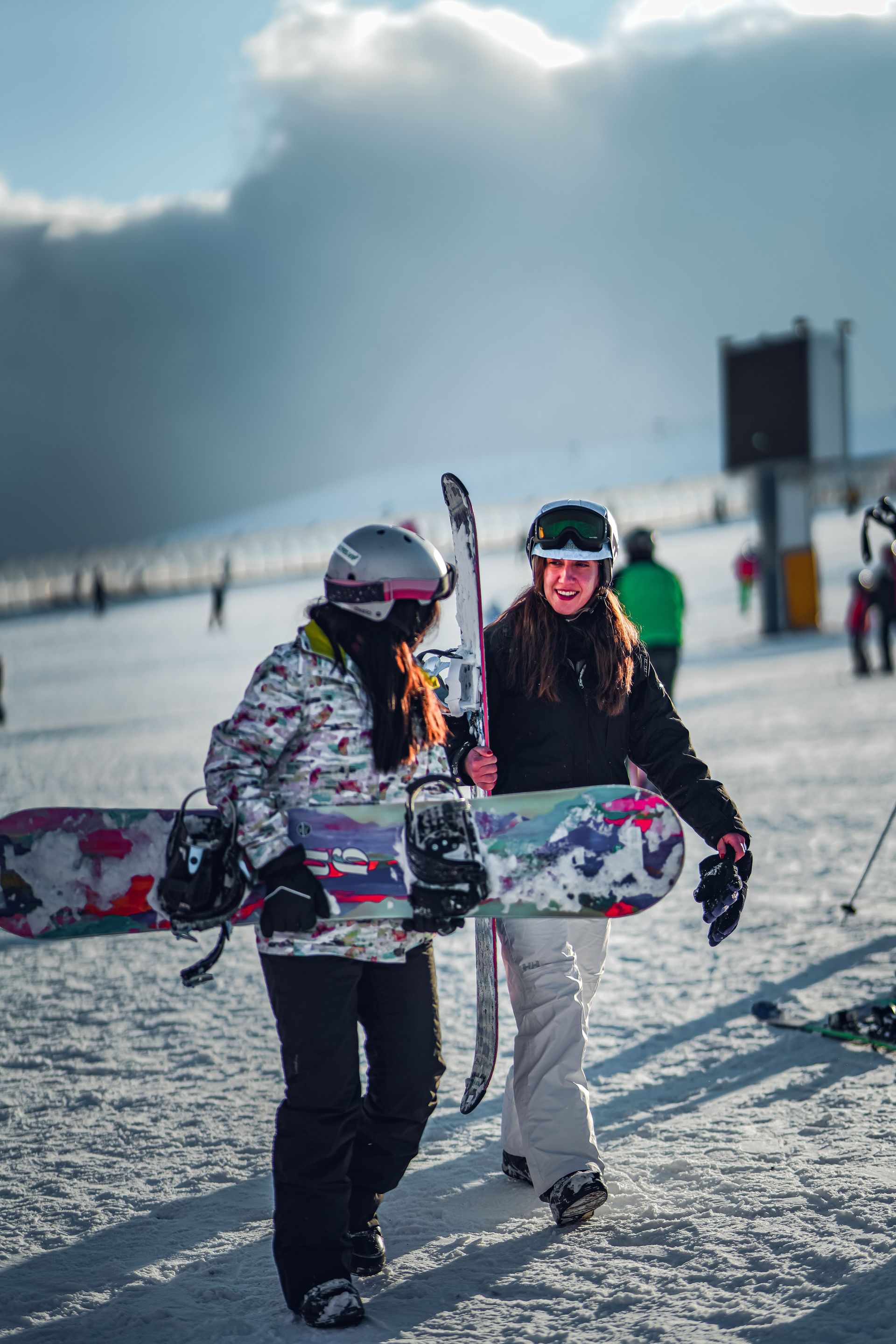
Whakapapa is especially popular with first-time skiers because of Happy Valley, a purpose-built beginner area separated from the more advanced parts of the mountain.
Happy Valley offers gentle terrain, equipment rental facilities, ski and snowboard lessons, and a supportive environment where beginners can learn without faster or more experienced riders passing through the area.
It is an excellent choice for:
- First-time skiers and snowboarders
- Families with young children
- School and youth groups
- Visitors who simply want to experience snow
- Travellers who are not ready to purchase an all-mountain pass
Beginner-area passes are available for guests who plan to remain on the gentle slopes, while all-mountain passes provide access to the wider ski area and the Sky Waka gondola.
Sky Waka Gondola
One of Whakapapa’s most recognisable attractions is the Sky Waka gondola.
The gondola transports visitors from the lower mountain toward the upper ski area while providing panoramic views across Tongariro National Park. Depending on weather and operating conditions, it can be enjoyed by both skiers and sightseeing passengers.
This makes Whakapapa a strong option for mixed groups in which some members want to ski while others prefer sightseeing, photography, snow play, or relaxing at a mountain café.
Skiing and Snowboarding at Whakapapa
Beyond Happy Valley, Whakapapa offers a large variety of natural terrain.
Intermediate riders can enjoy groomed trails and open volcanic basins, while advanced skiers and snowboarders can explore steeper sections, natural gullies, chutes, and powder areas when conditions allow.
Because the mountain was formed by volcanic activity, the terrain does not always follow the neat, tree-lined trail patterns found at North American or European resorts. Instead, riders navigate broad open slopes, lava formations, natural valleys, and changing alpine features.
This gives Whakapapa a genuine sense of adventure.
Who Is Whakapapa Best For?
Whakapapa is particularly suitable for:
- Beginners learning to ski or snowboard
- Families and multigenerational groups
- Mixed groups of skiers and non-skiers
- Visitors wanting a scenic gondola experience
- Intermediate riders who enjoy varied terrain
- Travellers staying around National Park Village, Whakapapa Village, Taupō, or Tūrangi
Tūroa Ski Area
Tūroa is located on the south-western slopes of Mount Ruapehu, with road access from the alpine town of Ohakune.
It has a different personality from Whakapapa. Tūroa is often preferred by intermediate and advanced skiers who enjoy longer runs, steeper gradients, natural halfpipes, and wide volcanic terrain.
The ski area covers approximately 500 hectares, with a vertical rise of more than 700 metres and runs extending for up to around four kilometres.
Long Runs and Natural Volcanic Terrain
Tūroa is well known for its long, flowing runs.
The upper mountain features wide-open terrain and panoramic views, while natural volcanic formations create bowls, drops, gullies, and halfpipe-like features. These formations make the mountain especially enjoyable for confident skiers and snowboarders who like exploring beyond conventional groomed trails.
Intermediate terrain represents a significant part of the ski area, making Tūroa a strong choice for riders who have progressed beyond the beginner stage and want to build confidence on longer slopes.
Tūroa Terrain Park
Freestyle skiers and snowboarders can also enjoy the Tūroa Terrain Park, which is positioned near the upper mountain.
Depending on snow and operating conditions, the park may feature jumps and medium-to-advanced freestyle elements. Tūroa has also offered larger features for highly experienced riders.
Terrain park availability can change throughout the season, so visitors should check the current mountain report before travelling.
Beginner Facilities at Tūroa
Although Tūroa is commonly associated with intermediate and advanced skiing, beginners are not excluded.
The lower mountain has a learner area where new skiers and snowboarders can take lessons and practise basic skills. However, the beginner zone is smaller than Happy Valley at Whakapapa.
For complete beginners or families with very young children, Whakapapa may offer a more comfortable introduction. For visitors who already have some skiing experience and want to progress onto longer terrain, Tūroa can be an excellent choice.
Ohakune: The Gateway to Tūroa
One of the advantages of skiing at Tūroa is its close connection with Ohakune.
Known as a major North Island winter destination, Ohakune offers accommodation, restaurants, cafés, ski rental businesses, and a relaxed alpine-town atmosphere.
It is an ideal base for travellers planning multiple ski days, especially those who want to spend more time at Tūroa.
Who Is Tūroa Best For?
Tūroa is especially suitable for:
- Intermediate skiers and snowboarders
- Advanced riders looking for challenging terrain
- Freestyle riders
- Visitors who enjoy long runs
- Travellers staying in Ohakune
- Skiers looking for a more adventurous mountain experience
Whakapapa vs Tūroa: Which Ski Area Should You Choose?
Both ski areas are located on the same mountain, but they offer noticeably different experiences.
Choose Whakapapa if you:
- Are skiing or snowboarding for the first time
- Are travelling with children
- Need a large dedicated beginner area
- Have non-skiers in your group
- Want to experience the Sky Waka gondola
- Prefer a broader range of beginner-to-advanced activities
Choose Tūroa if you:
- Already have some skiing or snowboarding experience
- Prefer longer and steeper runs
- Enjoy intermediate and advanced terrain
- Want to explore natural volcanic features
- Are interested in freestyle terrain
- Plan to stay in Ohakune
For a longer winter holiday, visiting both ski areas offers the most complete Mount Ruapehu experience.
When Is the Best Time to Ski at Mount Ruapehu?
The Mount Ruapehu ski season normally operates during the New Zealand winter, although exact opening dates and available terrain depend heavily on snowfall, temperature, wind, volcanic conditions, and operational decisions.
For the 2026 winter season, Whakapapa has announced operations running from King’s Birthday Weekend on 30 May 2026 through to Labour Weekend on 25 October 2026, although ski terrain and activities will open progressively according to conditions.
Tūroa has announced a staged winter programme, with its main ski and snowboard operations scheduled to begin in early July 2026, subject to weather, snow, and mountain conditions.
In general:
- June: Early-season snow experiences and limited terrain may be available.
- July: Popular with families due to school holidays.
- August: Often considered one of the strongest periods for winter conditions.
- September: Offers spring skiing, longer daylight hours, and sometimes quieter weekdays.
- October: Late-season skiing may be possible when snow and weather conditions remain suitable.
No opening date or lift operation is guaranteed. Always check the official snow report before leaving your accommodation.
Weather and Road Conditions
Mount Ruapehu is a genuine alpine environment, and conditions can change quickly.
A clear morning can be followed by cloud, strong wind, snowfall, or reduced visibility. Lift operations may be delayed, placed on hold, or closed because of weather and safety considerations.
Before travelling, check:
- The official Whakapapa or Tūroa snow report
- Lift and trail status
- Road conditions
- Weather forecasts
- Snow-chain requirements
- Parking or transport instructions
Drivers should carry snow chains when conditions require them and know how to fit them before beginning the mountain journey.
Travellers unfamiliar with New Zealand alpine roads may find a guided ski tour or private transfer more comfortable than self-driving.