Iran War; Oil Crisis in New Zealand
Impact of the Iran Conflict on Travel & Economy
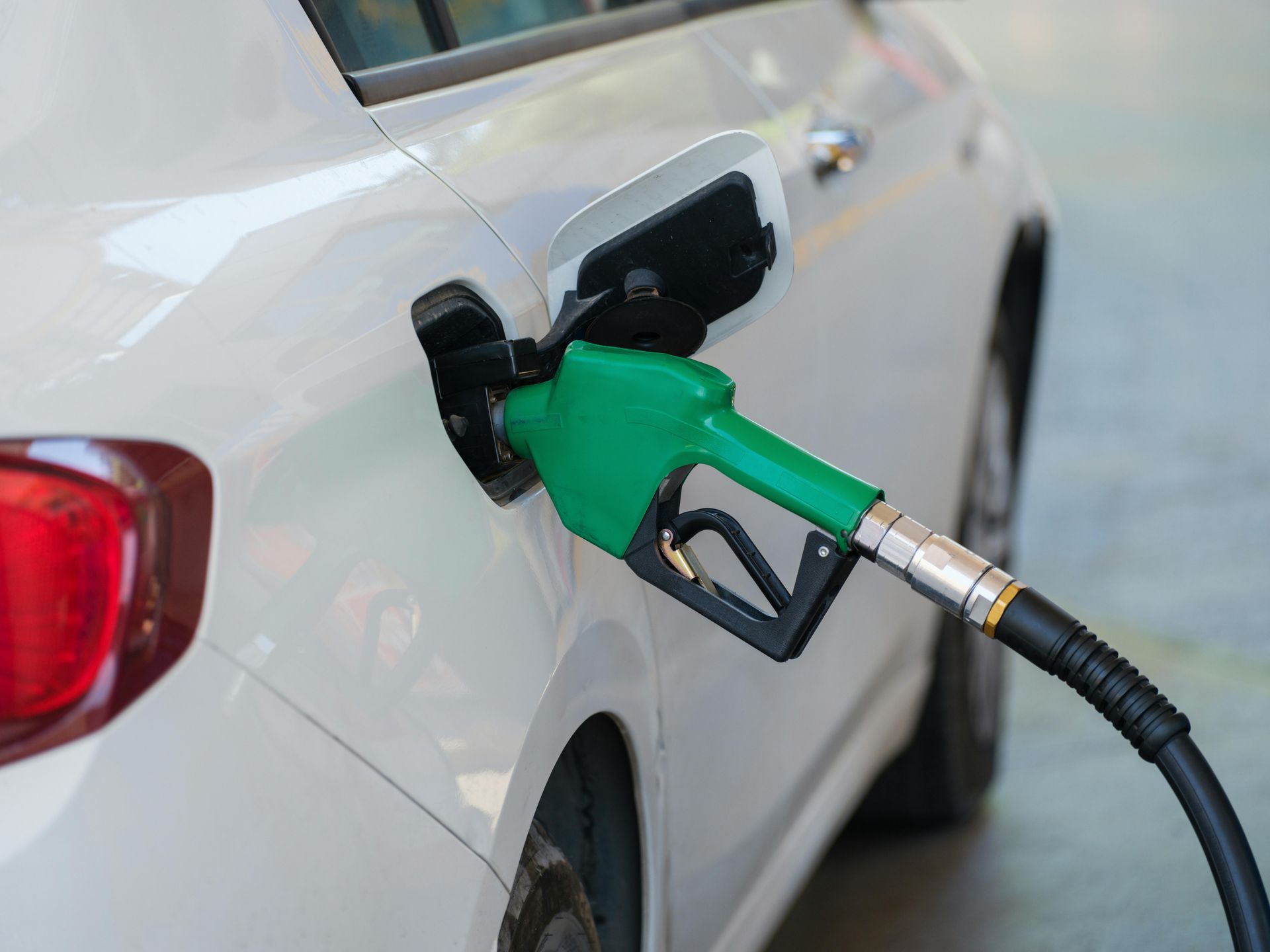
🛢️ 1. What Triggered the Oil Crisis?
The ongoing conflict involving Iran has significantly disrupted global oil supply chains.
One of the most critical pressure points is the
Strait of Hormuz, a narrow shipping route through which nearly
20% of the world’s oil supply passes.
As tensions escalate:
- Oil transportation has been restricted
- Supply uncertainty has increased
- Global oil prices have surged dramatically
👉 In simple terms:
Less supply + higher risk = higher fuel prices worldwide
🇳🇿 2. Why New Zealand is Highly Vulnerable
New Zealand is particularly exposed to global fuel disruptions due to its structural dependency on imported energy.
Key Factors:
- Over 85% of fuel is imported
- Closure of domestic refining facilities (Marsden Point)
- Reliance on refined fuel from Asia, which depends on Middle Eastern crude oil
👉 This means:
Any disruption in the Middle East has a direct and immediate impact on New Zealand
🚨 3. Current Situation in New Zealand
The oil crisis is no longer theoretical—it is already affecting daily life.
Key Developments:
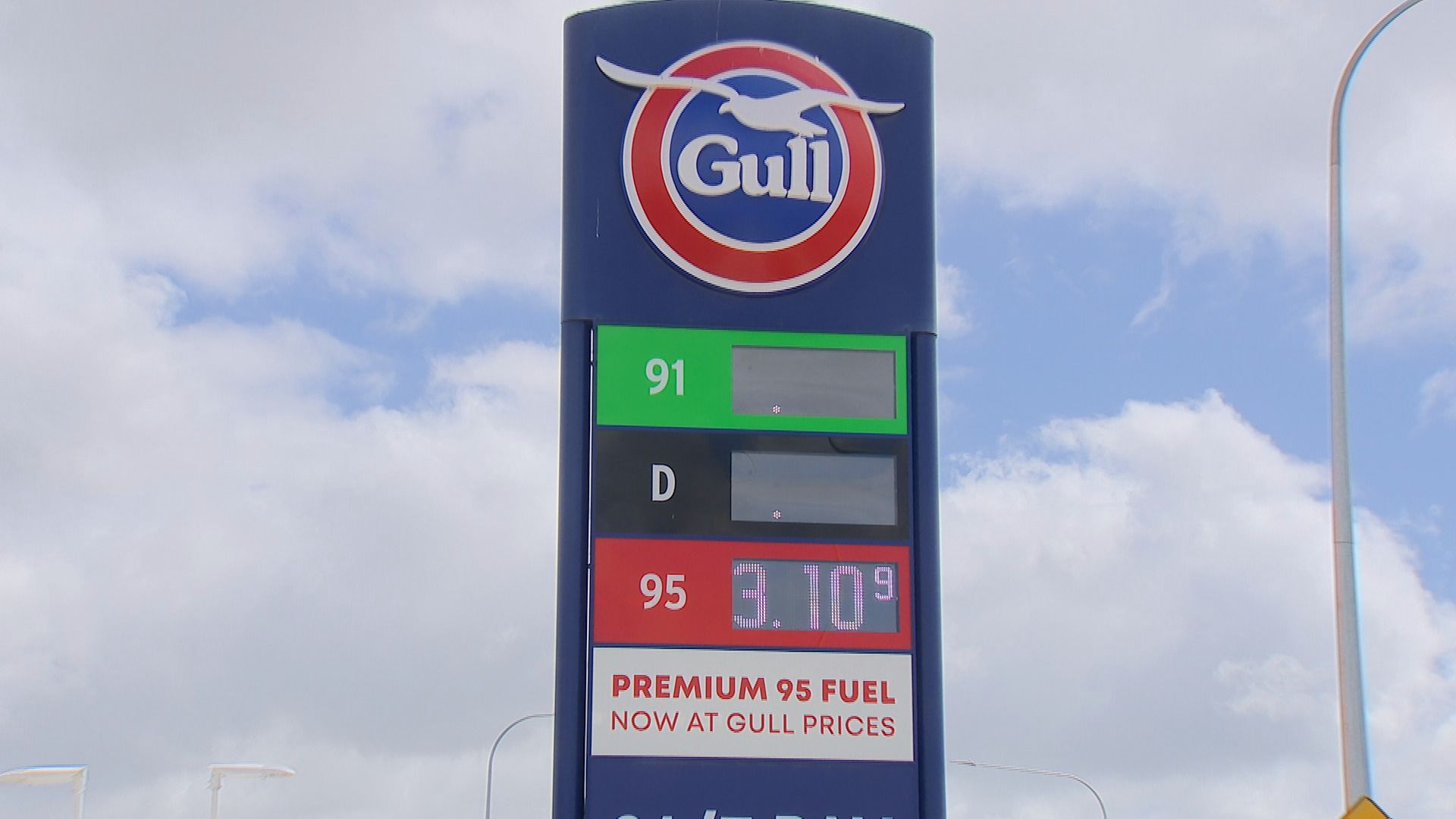
- Petrol prices exceeding NZD $3 per litre
- Rapid increases in both petrol and diesel prices
- Limited national fuel reserves (estimated 30–50 days)
👉 This highlights a critical issue:
New Zealand has limited buffer capacity against prolonged global supply disruptions
💸 4. Government Response
The New Zealand government has begun implementing measures to reduce economic pressure:
- Financial support packages for households
- Monitoring fuel supply stability
- Considering further cost-of-living relief measures
👉 The focus is clear:
Preventing a fuel crisis from escalating into a broader economic downturn
✈️ 5. Impact on the Travel Industry
The tourism and travel sector is among the most affected industries.
✈️ Aviation
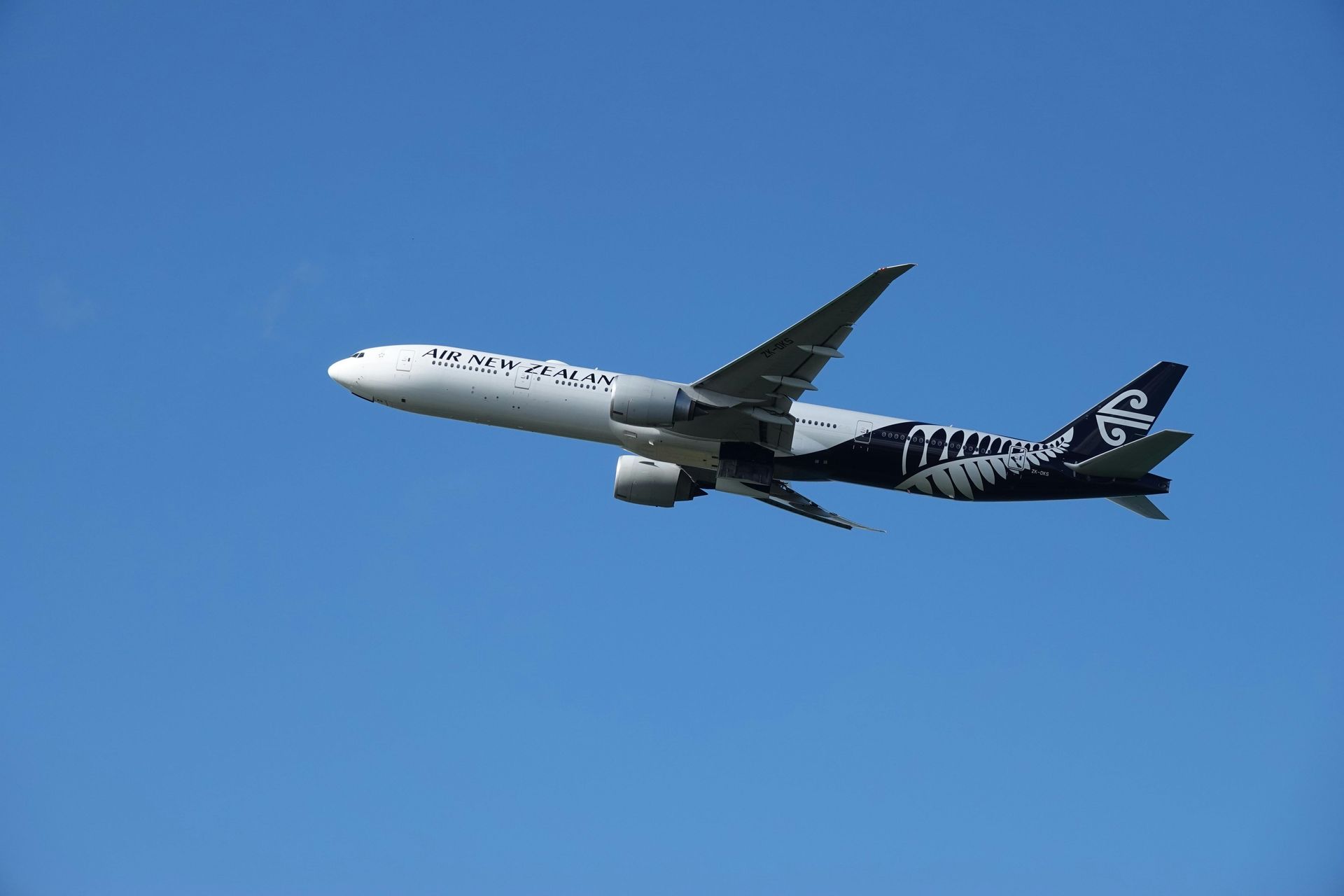
- Rising jet fuel costs
- Flight reductions and schedule adjustments
🚐 Ground Transport & Tours
- Increased operational costs for tour vehicles
- Rising fuel surcharges
- Pressure on pricing for day tours and multi-day tours
📉 Consumer Behaviour
- Reduced discretionary spending
- Shorter trips and delayed bookings
👉 In reality:
Travel demand becomes more sensitive to pricing and uncertainty
📊 6. What to Expect Next
Short-Term Outlook
- Continued fuel price volatility
- Gradual increase in travel costs
- Operational adjustments across the tourism sector
Mid-Term Risks
- Potential fuel rationing if supply worsens
- Reduced availability of transport services
- Increased cost of domestic travel experiences
🧭 7. Strategic Response for Travel Operators
In this environment, adaptability is key.
Recommended Strategies:
- Focus on small group and private tours to optimize fuel efficiency
- Develop short-distance, high-value itineraries
- Adjust pricing structures transparently
- Enhance customer communication and flexibility
👉 The shift is clear:
From volume-based tourism → to efficiency and experience-driven travel