New Zealand Emergency Fuel Alert System
How the Country Responds to Fuel Supply Crises
🚨 1. What is the Emergency Fuel Alert System?
New Zealand does not rely on a single “alert app” for fuel shortages.
Instead, it operates a
multi-layered emergency response framework combining:
- National Fuel Plan (core system)
- Government coordination (MBIE, Civil Defence)
- Public alert systems (Emergency Mobile Alerts)
👉 In simple terms:
It’s a coordinated national system to manage fuel shortages during crises
🧭 2. The Core System: National Fuel Plan
At the center of the system is the National Fuel Plan.
🔑 What it does:
- Manages major fuel supply disruptions
- Covers:
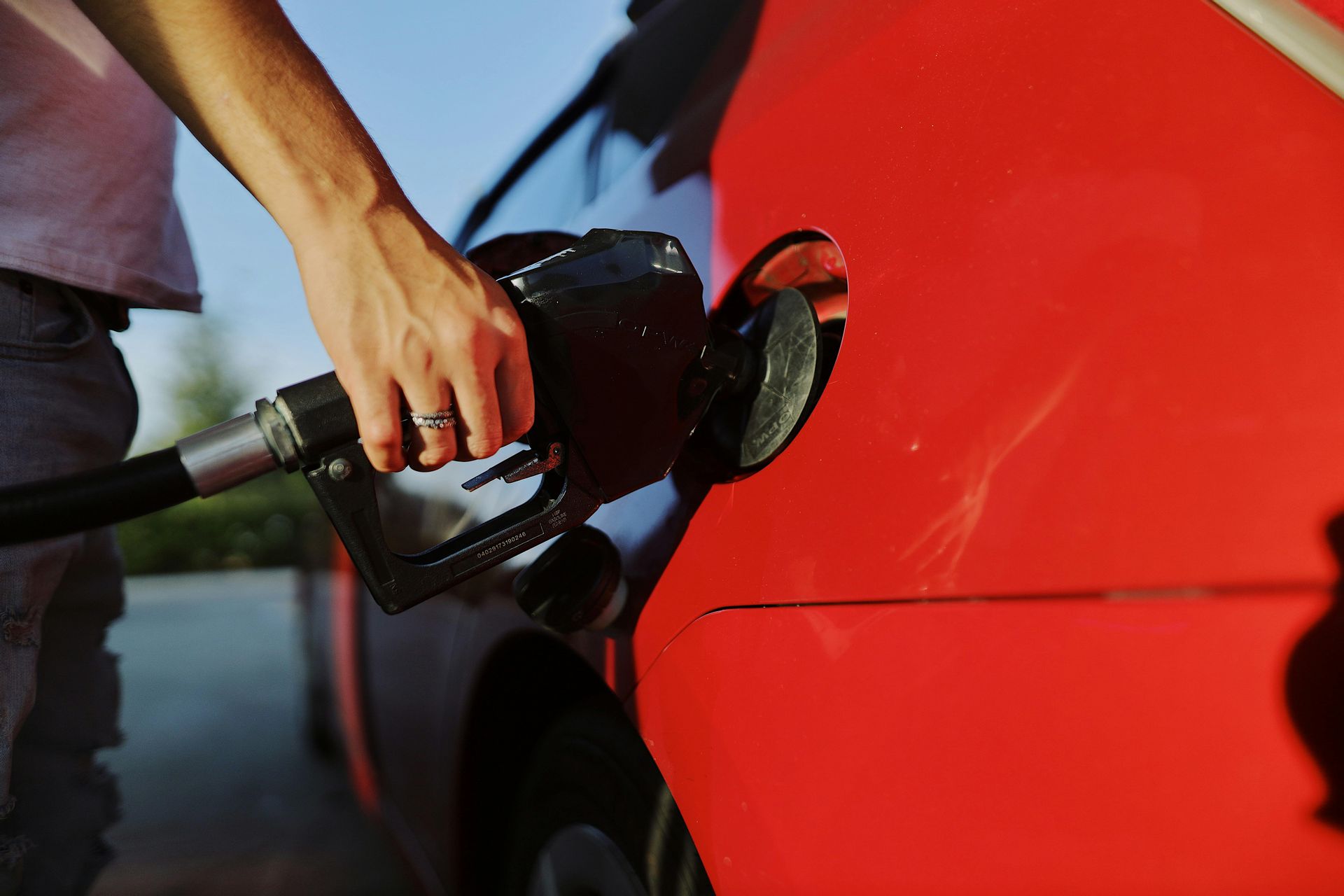
- Petrol
- Diesel
- Jet fuel
- Marine fuel
- Coordinates between:
- Government
- Fuel companies
- Local authorities
👉 This is the operational playbook used during a fuel crisis
📡 3. How Alerts Are Communicated to the Public
When a fuel emergency escalates, New Zealand uses its national alert infrastructure.
📱 Emergency Mobile Alerts (EMA)
- Sent directly to mobile phones via cell towers
- No app or signup required
- Reaches most of the population instantly
👉 These alerts are typically used for:
- Natural disasters
- Infrastructure failures
- Potentially fuel-related emergencies
⚙️ 4. How the System is Activated
The system is triggered when fuel supply risk becomes critical.
Activation happens when:
- Supply drops below safe levels (~50 days risk threshold)
- Global supply routes are disrupted (e.g., Middle East conflict)
- Panic buying or shortages begin
Once triggered:
- Government agencies coordinate response
- Fuel sector monitoring intensifies
- Public communication begins
👉 A national emergency can also be declared if required
⛽ 5. Emergency Measures (What Can Actually Happen)
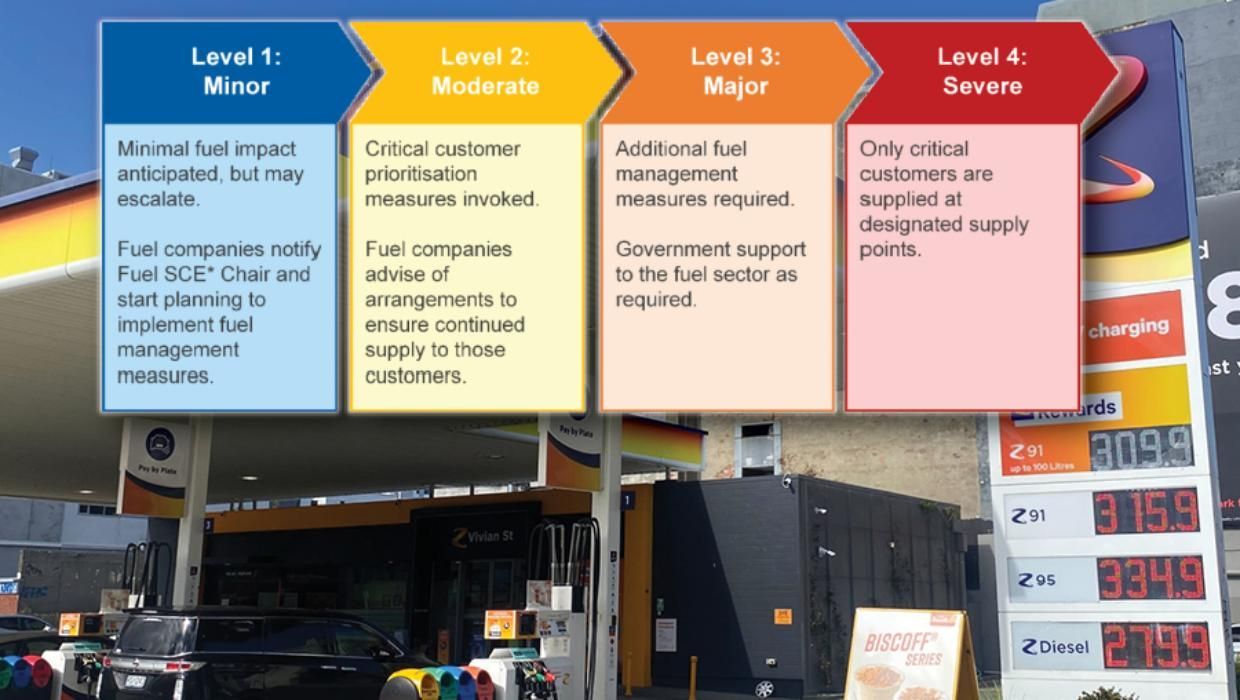
If the situation worsens, New Zealand can implement fuel control measures.
🟡 Soft Measures (Early Stage)
- Public advisories to reduce fuel use
- Work-from-home encouragement
- Travel reduction campaigns
🔴 Hard Measures (Severe Crisis)
- Fuel purchase limits per person
- Petrol stations operating on alternate days
- Priority allocation for essential services
- Possible “carless days” policy (used historically)
👉 These are real options currently being considered
🏭 6. Fuel Monitoring & Coordination
The government actively monitors supply through:
- Fuel Sector Coordinating Entity
- Daily tracking of:
- Stock levels (in-country + in transit)
- Supply chain risks
- Import schedules
👉 New Zealand typically maintains around 30–50 days of fuel supply
✈️ 7. Why This Matters for Travel Industry
This system directly impacts tourism and transport.
🚐 Ground Travel
- Fuel restrictions → limited tour operations
- Higher fuel costs → increased tour pricing
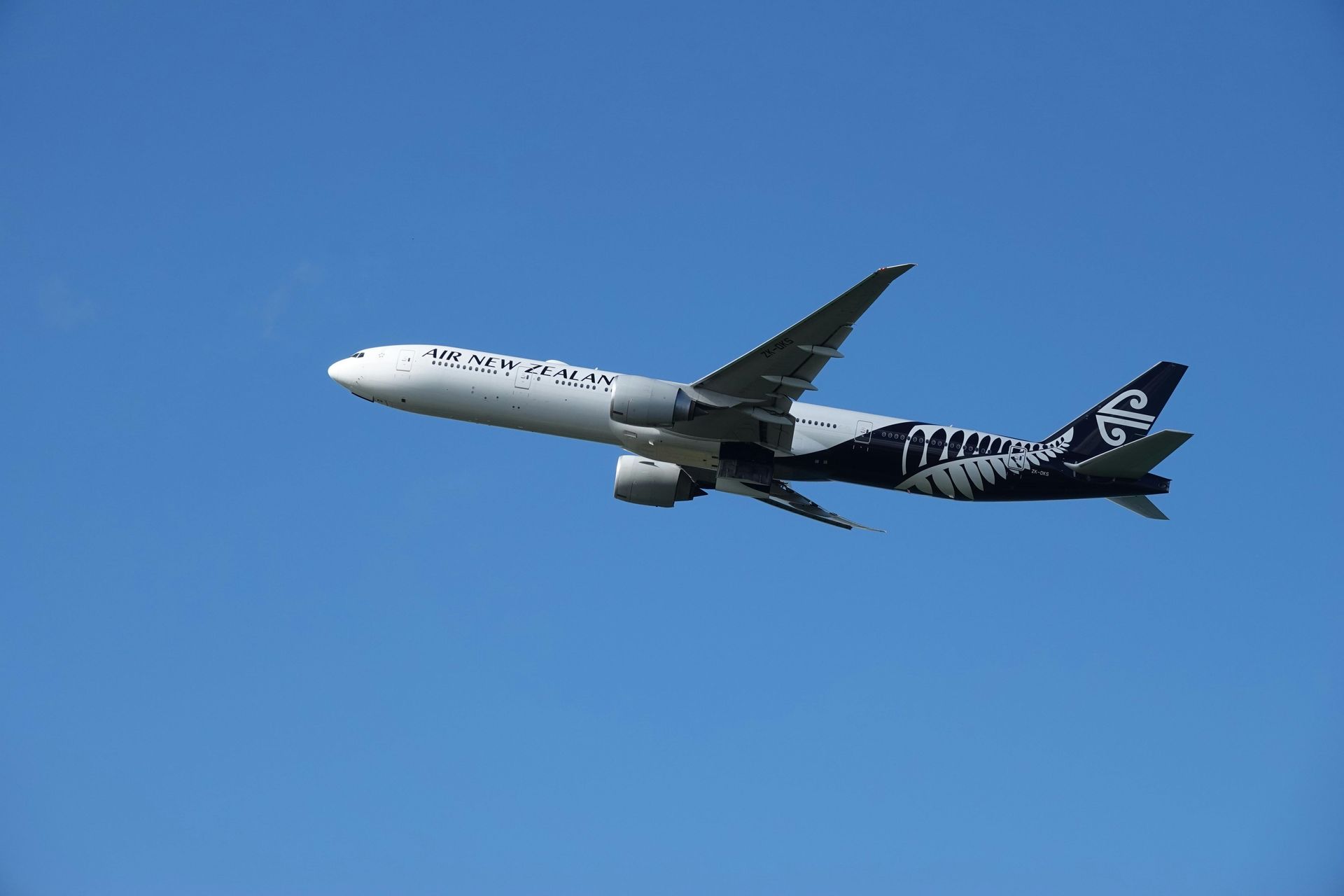
✈️ Aviation
- Jet fuel prioritisation
- Flight reductions (already happening)
📉 Travel Demand
- Reduced mobility
- Shorter itineraries
- Shift toward local travel
👉 In short:
Fuel security = travel industry stability
📊 8. Strategic Insight (For Travel Operators)
In a fuel alert environment:
Recommended Approach:
- Focus on short-distance itineraries
- Promote small group / private tours
- Reduce fuel-heavy routes
- Communicate transparently about pricing
👉 The industry shifts toward:
Efficiency-driven, high-value travel experiences